
PURPOSE-BUILT FOR PIONEERING RESEARCH
Precision thin-film deposition platforms engineered around the demands of today’s most advanced applications. From quantum computing and superconducting devices to next-generation photovoltaics and 3D flip-chip interconnects.
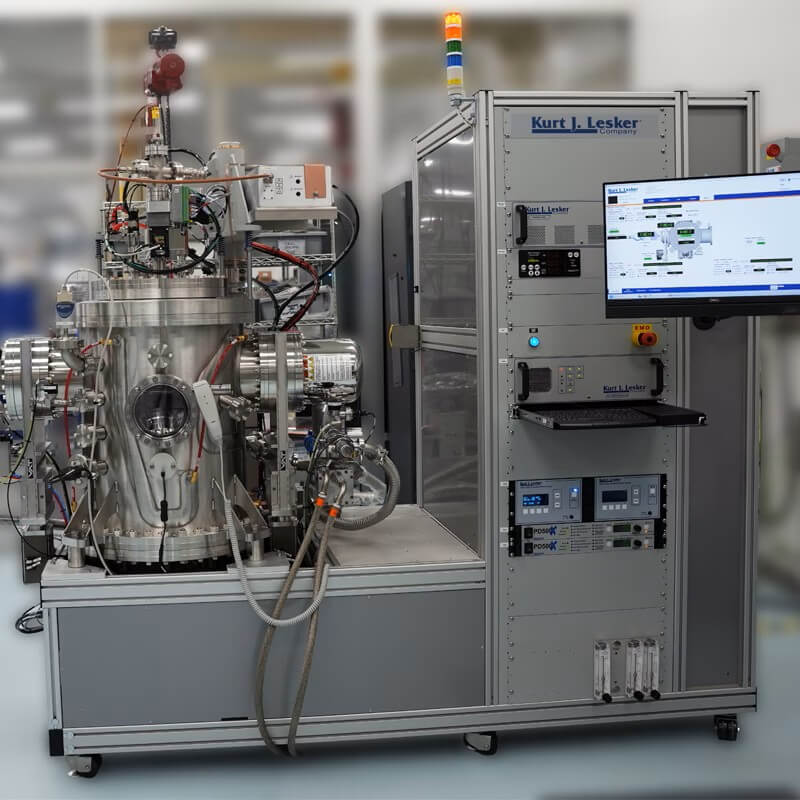
Quanta Series
Superconducting & Quantum Computing Devices
Ultra-high vacuum thin-film deposition platforms engineered for Josephson junctions, superconducting circuits, and low-loss interconnects. Covers e-beam evaporated aluminum JJs, UHV sputtering of superconducting metals and reactive compounds, and high-rate indium bump bonding for 3D integration. All systems are compatible with UHV transfer solutions for next-generation quantum device fabrication.
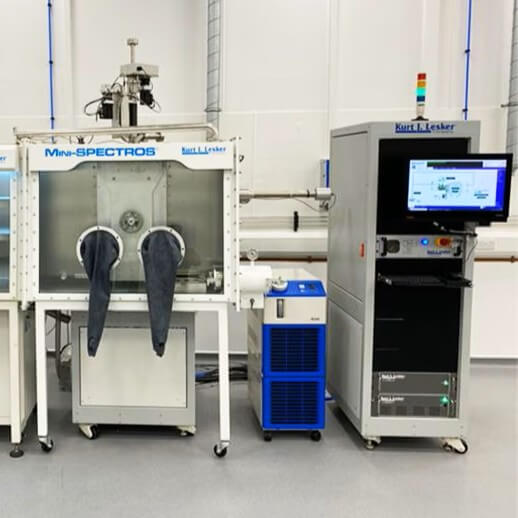
Perovskite Series
Solar Cells & Next-Gen Photovoltaics
An advanced thin-film deposition platform engineered for substrates up to 210mm x 210mm, extending the SPECTROS architecture with a chamber optimized for vacuum-based perovskite deposition. Features enhanced pump protection, cooling shrouds, and up to 16 low-temperature evaporation sources (50–600°C) to handle volatile precursors. Supports glovebox integration, co-deposition, load lock, and ALD for barrier layers.
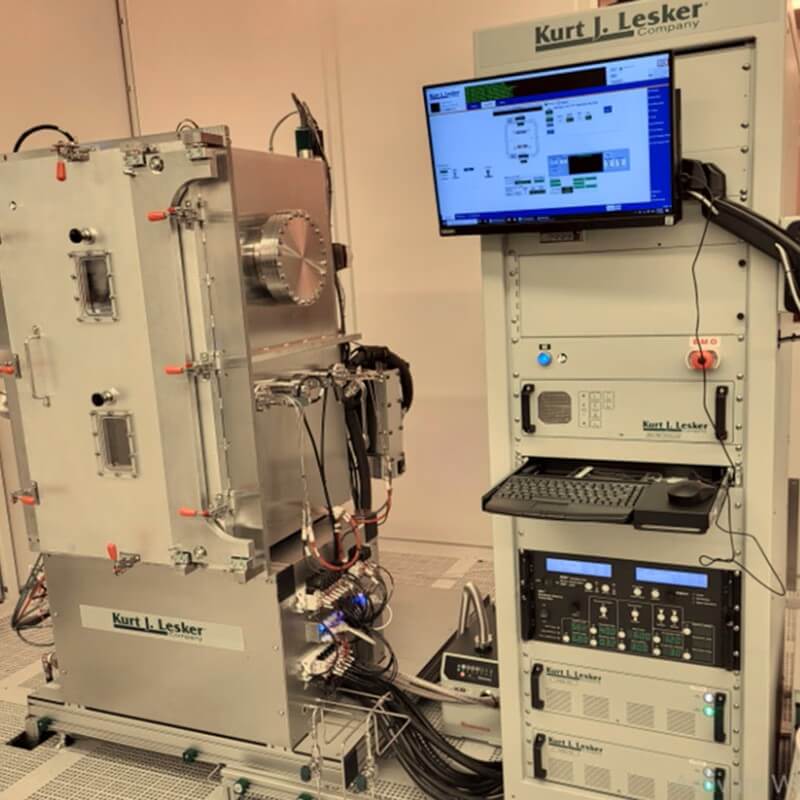
Indium Series
Flip-Chip Bump Bonding & 3D Integration
Purpose-built for indium bump bonding on wafers up to 200mm, delivering deposition rates exceeding 100 Å/sec with films up to 20 µm thick. LN2-cooled substrates promote high aspect-ratio out-of-plane growth essential for robust flip-chip interconnects in superconducting quantum circuits. Up to four high-capacity thermal sources, specialized shielding, and flux monitoring enable up to 10 wafers per pump cycle.
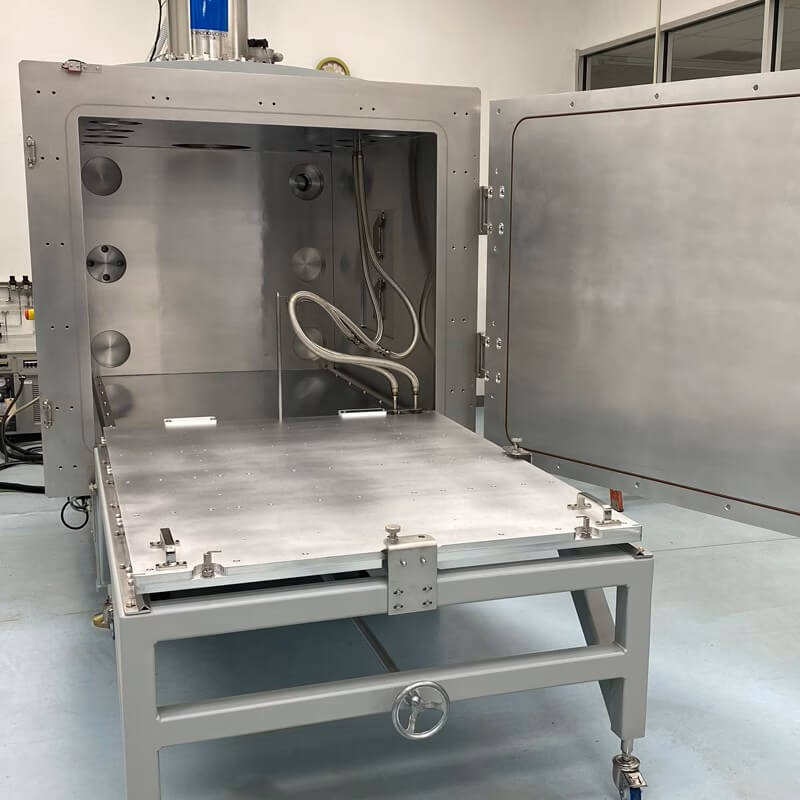
Space Simulation Series
Thermal Vacuum Chambers for Aerospace Testing
Scalable Thermal Vacuum Chamber (TVAC) platforms engineered to replicate the deep vacuum and extreme thermal conditions of outer space. Systems range from compact CubeSat-scale chambers to large cylindrical enclosures for full satellite assemblies, achieving pressures from 10-6 to 10-8 Torr. Programmable thermal cycling from -100°C (LN2) to +250°C, optional solar/radiation simulation, and full eKLipse-driven recipe automation support qualification, validation, and life-cycle testing of aerospace hardware.